Most of the trimming calls we get aren't emergencies — they're maintenance that got put off a year or two too long. A branch has started scraping the roof every time the wind picks up, or the oak in the backyard has gotten so dense the grass underneath won't grow anymore. Trimming fixes both problems in the same visit.
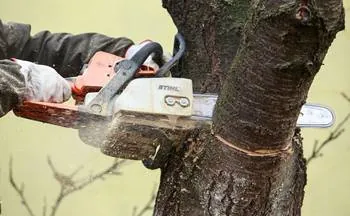
We work branch by branch rather than shearing the outside of the canopy into a shape, which is a faster method some companies use but leaves the tree looking boxy and stresses it more than it needs to. Selective cuts at the branch collar let the tree heal cleanly and keep its natural form.
Late winter, while trees are still dormant, is generally the best window for a full trim in this climate — you can see the branch structure clearly and the tree isn't actively pushing new growth yet. That said, if a branch is broken or hanging after a storm, that doesn't wait for the right season.
In practice, we use "trimming" for shape and clearance work — keeping a tree looking good and off your roofline — and "pruning" for more targeted health cuts, like removing a diseased limb. There's overlap, and a single visit often involves some of both.
Late winter to early spring, before buds break, works well for most deciduous species — you get a clear view of the branch structure and the tree recovers into its growing season. Evergreens are more flexible. Dead or hazardous limbs get removed whenever we find them, regardless of season.
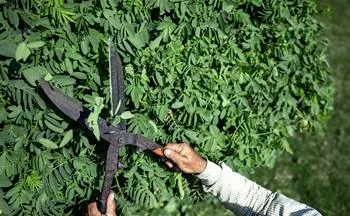
Done correctly, no — it's routine maintenance, similar to how you'd prune a hedge or fruit tree. We avoid over-thinning (removing more than about a quarter of the live canopy in one visit) since that's what actually stresses a tree.