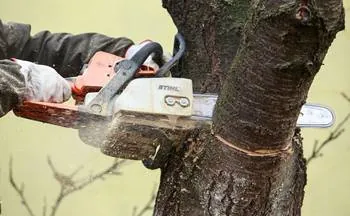
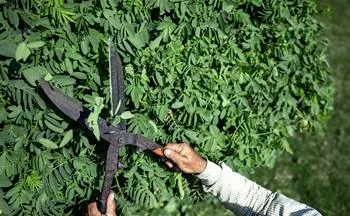
Pruning is the more surgical side of what we do. Instead of shaping a tree for looks, we're going after what's actively hurting it — a limb with decay working its way toward the trunk, two branches rubbing each other raw in every wind, a weak union that's one ice storm away from splitting.
Taking that growth out does more than tidy things up. It opens the canopy to light and airflow, which matters for keeping fungal issues from taking hold, and it forces the tree to put its energy into the branches worth keeping instead of propping up dead weight.
We're conservative about how much we remove in a single visit — a tree that's had a quarter or more of its canopy taken out at once is a stressed tree, not a healthier one. Serious structural issues sometimes get addressed over two visits rather than one aggressive cut.
Trimming is mostly about shape and clearance. Pruning is targeted at the tree's health — removing what's diseased, dead, or structurally weak. A lot of jobs involve both at once, so don't worry too much about which word to use when you call.
Sometimes, if it's caught early and the disease or damage is limited to specific limbs rather than the trunk or root system. We'll give you an honest read on whether pruning is likely to help or whether removal makes more sense.
As a rule of thumb, no more than about a quarter of the live canopy in a single visit. Beyond that, you're doing more harm than good, even if the tree looks better right afterward.